This document details the case of Joshua (Josh), an innocent man wrongfully convicted and incarcerated for a crime he did not commit, highlighting legal injustices and efforts for exoneration.
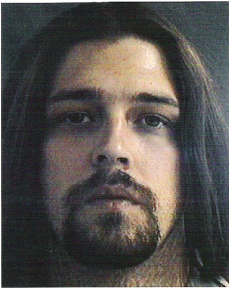
Case Overview and Legal Concerns
A mother advocates for her son Joshua Stump, wrongly convicted and sentenced to 75 years for a crime he did not commit, highlighting systemic issues in the Oklahoma judicial system.
- Joshua Stump has been incarcerated since age 17, serving a 75-year sentence for a crime he did not commit.
- The case involved mistaken identity, inadequate legal defense, and prosecutorial misconduct.
- The case went before the 10th Circuit U.S. Court of Appeals; initial COA was granted in May 2006 but dismissed in April 2008 for being out of time.
- Systemic issues include limited funding for defense experts, failure to file motions for change of venue, and biased jury selection influenced by media.
- The mother emphasizes the injustice of plea bargains and the potential for wrongful convictions due to systemic flaws.
Court Proceedings and Evidence Handling
Legal documentation reveals delays, evidence mishandling, and procedural issues affecting the case’s fairness.
- The trial was scheduled for March 25, 1996, but was delayed due to ongoing evidence testing and lack of expert resources.
- Defense filed multiple motions for continuance; delays caused by unavailability of forensic reports, crime scene photographs, and expert testimony.
- Evidence was not fully accessible; crime scene photographs and blood spatter analysis crucial for case understanding were delayed.
- The Oklahoma Indigent Defense System faced funding shortages, hindering expert evaluations and case preparation.
- The defense argued that systemic delays and lack of resources compromised the defendant’s right to a fair trial.
Plea Bargain and Judicial Process
Joshua accepted a plea deal under misinformation, leading to a wrongful conviction and lengthy incarceration.
- Joshua pleaded guilty to second-degree murder, receiving a 75-year sentence based on a plea agreement.
- The plea was made after being misinformed about evidence and legal options, including the lack of access to forensic reports.
- The court proceedings included detailed sworn statements, with Joshua affirming understanding of rights and the plea.
- The mother criticizes the plea bargain process, claiming it was influenced by systemic failures and inadequate legal advice.
- The case highlights issues of justice, with Joshua serving time for a crime he did not commit, and systemic flaws in plea bargaining.
Systemic Issues in Oklahoma Justice System
The case exposes systemic flaws such as underfunding, inadequate legal defense, and media influence affecting justice.
- Oklahoma’s legal system suffers from funding shortages, impacting expert testimony and case preparation.
- Defense attorneys lacked access to critical forensic evidence due to budget constraints and procedural delays.
- The prosecution and media influence contributed to biased jury selection and public perception.
- The mother calls for systemic reform to prevent wrongful convictions and ensure fair trials.
- The case underscores the need for accountability and transparency within the judicial process to uphold justice.
Recent Developments and Advocacy Efforts
Progress has been made with the dismissal of the assault case, but systemic issues remain unresolved.
- The assault and battering case against Joshua was dismissed on August 21st, leaving the core injustice unaddressed.
- Advocacy efforts continue to seek justice and correct wrongful convictions in Oklahoma.
- The mother offers to provide further documentation and updates to supporters and legal advocates.
- The case remains a symbol of systemic failure, prompting calls for legal reform and justice for Joshua Stump.
Case Overview and Legal Proceedings
A detailed account of Joshua Stump’s wrongful conviction, legal battles, and efforts for justice spanning over a decade. – Joshua Stump, 17, was accused of murder in 1995, but evidence suggests he was not involved. – He was convicted based on questionable plea bargains, with claims of withheld exculpatory evidence. – The case involved complex legal maneuvers, delays, and alleged misconduct by defense and prosecution. – Multiple court appeals and post-conviction relief efforts occurred from 1996 to 2006. – The case highlights issues of judicial error, ineffective counsel, and systemic flaws.
Evidence and Forensic Testing Issues
Problems with evidence handling, testing delays, and miscommunication impacted case integrity. – OSBI had bureaucratic regulations causing delays in evidence processing. – Recent tests, including gunshot residue, were faxed to defense, with some results exculpatory. – OSBI’s equipment issues and waiting for reimbursement documentation caused further delays. – Photographs and laser reconstructions were delayed due to funding and documentation issues. – Evidence from forensic labs in Texas was not fully available or communicated timely. – DNA testing showed Joshua’s DNA was never found at the crime scene.
Legal Representation and Plea Bargain Controversy
Concerns over ineffective counsel, coercion, and wrongful plea agreements. – Joshua’s attorney, Jim Rowan, allegedly withheld exculpatory forensic reports. – Joshua was pressured into a plea bargain, believing it was his only option. – He pled guilty to second-degree murder for a 75-year sentence, under misleading advice. – The plea was not voluntary or fully informed, especially given his youth and mental state. – The plea bargain was based on false promises of early parole, which did not materialize. – The case exemplifies systemic issues with indigent defense and plea bargaining practices.
Parole and Post-Conviction Challenges
Obstacles in parole eligibility, legal delays, and efforts for exoneration. – Joshua’s pre-parole hearing was set for February 2002 but was delayed due to legislation. – He was not informed of the OIDS funding issues or forensic evidence favorable to him until years later. – The statute of limitations on ineffective assistance claims is complex; no clear limit exists. – Multiple court rulings dismissed post-conviction relief as untimely, despite legal arguments. – The case involved federal habeas corpus petitions, with delays and procedural hurdles. – Advocacy efforts include appeals, media campaigns, and legal filings for exoneration.
Systemic Flaws and Ethical Concerns
Highlighting systemic failures, misconduct, and ethical issues in the justice process. – Alleged misconduct by defense attorneys, including withholding evidence and misinformation. – Systemic delays, funding shortages, and bureaucratic hurdles hinder justice. – The case illustrates systemic flaws in plea bargaining, forensic testing, and legal representation. – Ethical boundaries and the integrity of judicial proceedings are questioned. – Advocacy groups and family members continue efforts for justice and exoneration. – The case underscores the need for reform in legal procedures, forensic transparency, and defense rights.
Courtroom Surveillance and Court Proceedings
Overview of the author’s experience during a court visit in Oklahoma City, highlighting courtroom security measures and interactions with U.S. Marshals.
- Drove to Oklahoma City on October 18, 2006, and spent the day in U.S. Magistrate Judge’s courtroom.
- Wore a “What About Josh?” T-shirt during the visit.
- U.S. Marshals accessed Josh’s website 6 times during the day, including during lunch.
- U.S. Marshal attempted to persuade the author not to stay for 20 minutes, then imposed new rules (keep jacket zipped).
- Court ended with U.S. Marshals sitting on both sides, ready to act if the jacket was unzipped.
- Courtroom security appeared heightened due to the website visits and the author’s occupation.
- After leaving for Texas, the website was hit 2 more times by U.S. Marshals.
- The author sent a letter to the Magistrate Judge, which was ignored despite previous communications.
Legal Process Delays and Appeal Outcomes
Overview of the delays in judicial processing and the outcome of Josh’s appeal, illustrating systemic issues.
- In 2007, the Western District Oklahoma Judge delayed processing, returning the case to the Tenth District Court in Denver in 2008.
- The author was unable to follow the case due to economic reasons.
- On April 2, 2008, the Tenth District Court of Appeals denied Josh’s appeal.
- The ruling involved the Chief Justice, indicating possible judicial misconduct.
- Discovery of evidence was hindered, suggesting bias or misconduct.
- DNA evidence showed Josh’s DNA was not at the crime scene; Robert returned alone.
- Courts claimed the case was out of time due to late filing (filed in 2004, delayed from 2001).
- The delay was attributed to inability to afford legal action and systemic neglect.
Issues with Legal Representation and Constitutional Rights
Overview of challenges faced in legal defense and violations of constitutional rights.
- Josh’s attorney advised that further legal action was futile due to procedural issues.
- The courts argued the case was not filed timely, citing the 1996 and 2001 delays.
- The author questions whether systemic funding issues in Oklahoma and OIDS violate constitutional rights.
- The case highlights problems with indigent defense systems and delayed justice.
- Josh has been incarcerated since July 15 1995. He was 15 years old, now aged 46, with diminishing hope.
- The case underscores the impact of systemic misconduct and procedural barriers.
Parole Denial and Advocacy Efforts
Overview of Josh’s parole denial in August 2010 and advocacy actions taken.
- Parole Board denied Josh’s parole between August 17-19, 2010, citing case severity.
- Parole was not upgraded to “Level 2,” which would allow attorney presence.
- The decision was perceived as a lack of transparency from the Executive Branch.
- A letter and “What About Josh?” T-shirt were sent to the President and First Lady on November 16, 2010.
- The package was delivered on November 22, 2010; no response received.
- Only three website hits from Washington D.C. were recorded post-delivery.
- The letter urged the President and First Lady to review the case as if it were their own, emphasizing systemic injustice.
Public Awareness and Call for Justice
Overview of efforts to raise awareness and seek justice for Josh.
- The author emphasizes the importance of public awareness through media and advocacy.
- Highlights the role of publicity campaigns in resolving judicial issues.
- References the “What About Josh?” website and related materials to garner support.
- Calls attention to judicial misconduct, systemic delays, and the need for constitutional adherence.
- Urges higher authorities to support justice and correct systemic failures.
- Notes that Josh has now served 30+ years and faces uncertain future, including potential parole.
- The case exemplifies broader issues of judicial misconduct, systemic neglect, and the importance of public advocacy.